ENVIRONMENTAL PRACTICE
Our
Environmental
Responsibility
Most cleaning ends at the kerb. We took a harder look at what we throw away and built the systems to deal with it properly.
- Operational
Recovering organic waste from gutter cleaning
Gutter cleaning produces a steady stream of organic material such as leaves, sediment, broken-down plant matter and sticks. For most operators that goes straight to landfill.
We process ours instead.
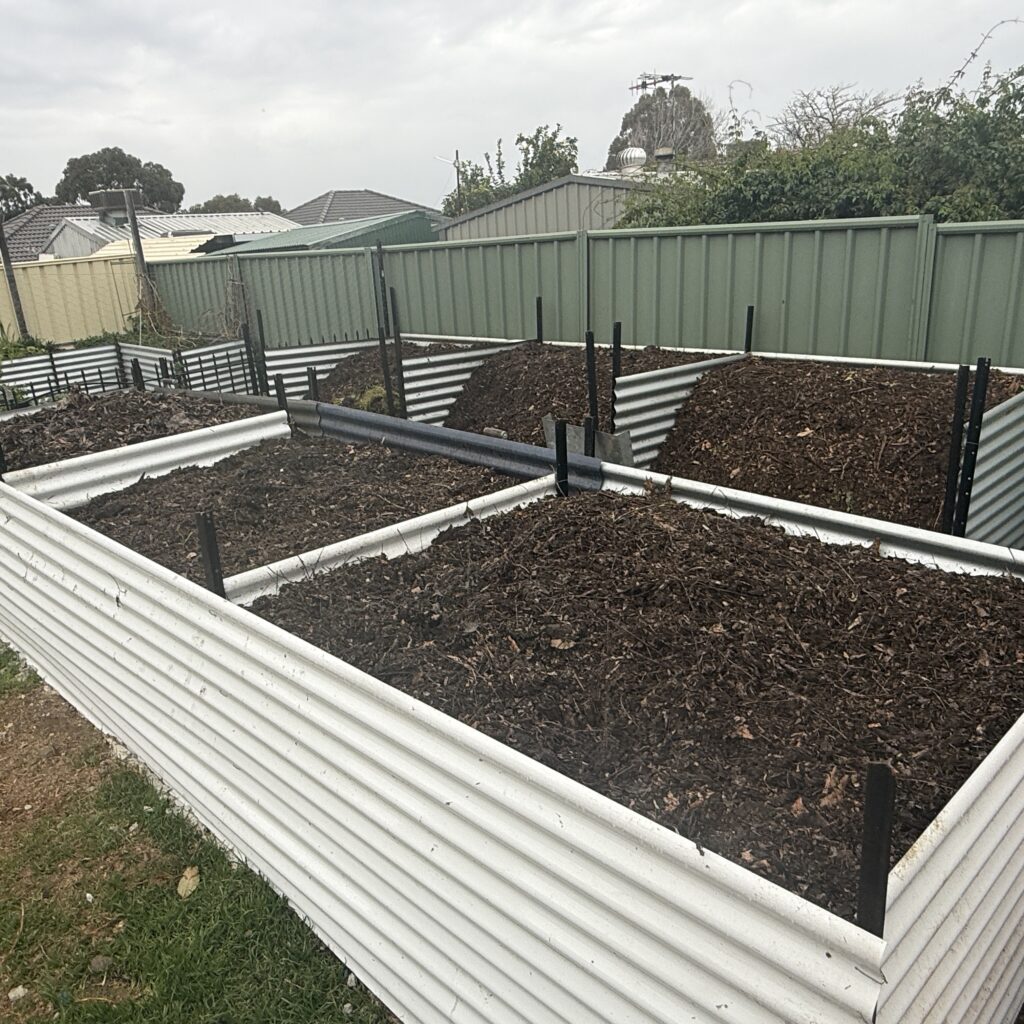
Jettin’ It Done runs an on-site composting process for the organic material our own gutter-cleaning work generates. It’s a resource-recovery process, not a waste-acceptance service and the figures below are actual throughput to date, not projections.
18m3
Maturing compost after natural breakdown
over 32m3
Organic waste diverted from landfill to date
- In Development
Turning processed material into energy
The next stage is a biomass pellet production line. This is currently in development and not yet operational. We’re including it here because it reflects where the business is heading, not a service we offer today.
To begin with, the intent is a closed loop: pellets made from our processed material will be burned to generate energy that feeds back into drying our own product for further processing. The energy stays inside our own process. We’re not selling fuel or making energy claims at this stage. We’d rather let real figures speak once the line is running.
- Standard Practice
Disposing of contaminated waste responsibly
Not every waste stream can be recovered and pretending otherwise would be irresponsible. Path sweeping and road-adjacent cleaning generate material that is frequently contaminated with heavy metals, hydrocarbons, glass and litter. It is not suitable for composting, and we never mix it with our clean organic stream.
- Contained collection: Waste captured at the point of work using equipment suited to the task.
- Safe transport: Material moved in line with documented safe work procedures.
- Approved-facility disposal: Collected waste disposed of at appropriate, approved facilities.
- Contamination awareness: Recoverable and contaminated streams kept strictly separate. Knowing the difference is part of doing the job properly.
WHAT THIS MEANS FOR YOU
Responsible today,
building genuine
capability for tomorrow
Councils & government
A contractor who handles waste to the required standard today, separates contaminated streams from recoverable ones as a matter of course, and is actively building real recovery capability without overstating what's currently in place.
Commercial & industrial
A maintenance partner thinking beyond the immediate job, developing the systems to reduce landfill, recover resources, and support your own environmental objectives over time.
The same principle for both:
we'd rather show you what we've actually done than tell you what we might.
THE DIRECTION
Where we're heading
Our long-term aim is a fully established environmental services operation that recovers as much material as it responsibly can. We believe in earning that status, in the correct order.
01
Prove the process
Operate at scale and capture verified, factual numbers.
02
Show a product
Demonstrate a proven, usable output. Not an idea.
03
Pursue approvals
Establish a compliant pathway with the relevant authorities.
04
divert waste
Only then approach clients about diverting suitable waste. Backed by data.